
- Tesla (TSLA) shareholders approved CEO Elon Musk’s nearly $1 trillion compensation package with 75% support, boosting his ownership from 13% to 25% through over 423 million shares tied to 12 performance tranches.
- The plan links rewards to escalating market cap targets up to $8.5 trillion and operational goals, including 20 million vehicle deliveries, 10 million FSD subscriptions, 1 million Optimus robots, and 1 million robotaxis.
- Amid legal challenges from a prior invalidated pay deal and criticisms of Musk’s distractions, the package offers flexibility via “covered events” and imposes no limits on his external political or business activities.
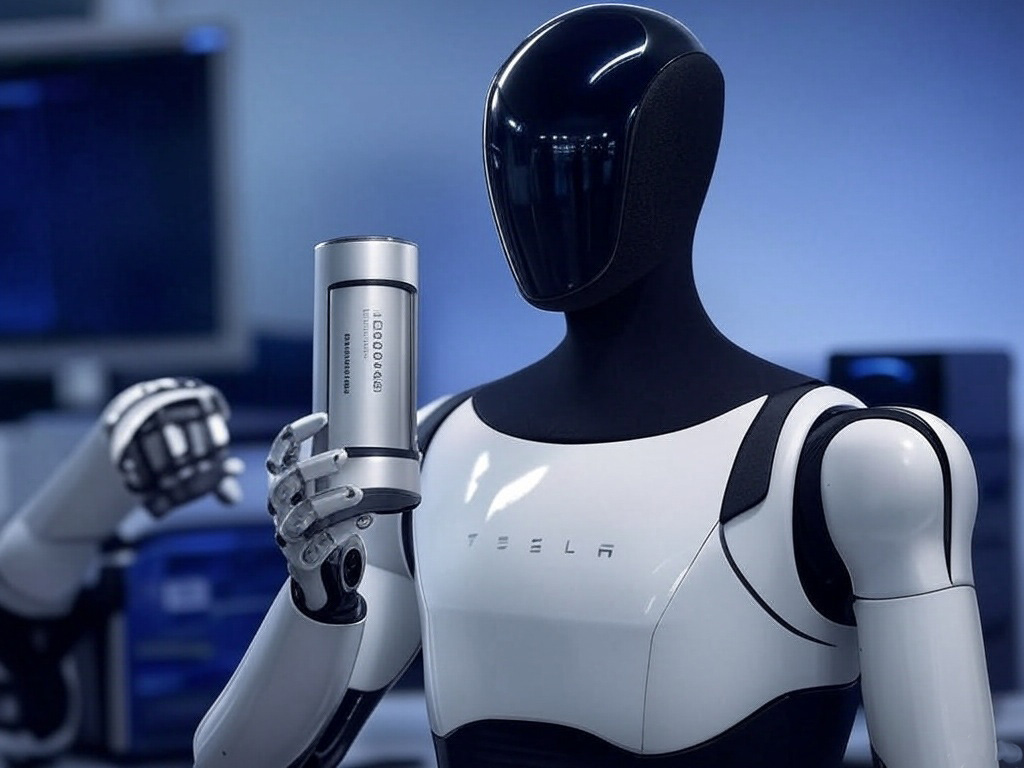
Tesla (TSLA) shareholders have overwhelmingly endorsed a transformative compensation package for CEO Elon Musk, securing 75% approval among voting shares at the company’s annual meeting in Austin, Texas. This multibillion-dollar plan, originally proposed by the board in September, marks a pivotal moment for the electric vehicle giant, potentially elevating Musk’s stake from 13% to 25% through the addition of more than 423 million shares. Despite recommendations from influential proxy advisors Glass Lewis and ISS to reject it, the vote underscores robust investor confidence in Musk’s vision, even as it amplifies his control amid ongoing legal and operational challenges.
The package structures Musk’s rewards across 12 tranches, blending ambitious market capitalization thresholds with operational benchmarks to align executive incentives with long-term growth. Initial vesting requires Tesla to achieve a $2 trillion market cap – nearly 36% above its current $1.48 trillion/$449.80 valuation – paired with $50 billion in annual adjusted profit, a steep climb from the $4.2 billion adjusted EBITDA reported in the third quarter. Subsequent tranches escalate in scale: the next nine unlock at $500 billion increments up to $6.5 trillion, while the final two demand $1 trillion jumps, culminating at $8.5 trillion for full realization. These financial targets are intertwined with tangible achievements, including 20 million cumulative vehicle deliveries (building on the more than 8 million already achieved), 10 million active Full Self-Driving (FSD) subscriptions, 1 million Optimus humanoid robot deliveries, and 1 million robotaxis in commercial operation.
Tesla’s FSD Supervised system, currently offering partially automated driving in the U.S., forms a cornerstone of these goals, with the company committed to evolving it toward unsupervised autonomy. The plan leaves ambiguity on whether subscriptions must be paid or can encompass free trials, a detail that could influence attainment timelines. Musk, during the meeting, extolled the potential of Optimus, asserting it could eradicate poverty, deliver universal medical care, surpass the impact of cell phones, and even deploy for crime prevention by tracking and intervening with offenders. With no commercial Optimus units yet available and no specified rollout date, these projections highlight the high-stakes innovation at Tesla’s core, where breakthroughs in robotics and autonomy could redefine mobility and labor markets.
A parallel proposal from investor Stephen Hawk sought authorization for Tesla to invest in xAI, Musk’s March 2023 artificial intelligence venture aimed at rivaling OpenAI. Though it garnered more favorable than opposing votes, significant abstentions prompted General Counsel Brandon Ehrhart to indicate ongoing deliberation of next steps. This initiative reflects growing synergies between Tesla’s ecosystem and Musk’s broader portfolio, which encompasses xAI’s recent merger with X, SpaceX’s Starlink satellite network, Neuralink’s brain-computer interfaces, and The Boring Company’s tunneling projects. Such interconnections raise questions about resource allocation, particularly as Musk’s political engagements intensify; his instrumental role in supporting President Donald Trump’s 2024 reelection and subsequent federal government overhaul have drawn scrutiny.
The approval arrives against a backdrop of judicial turbulence. Last year’s Delaware Court of Chancery decision invalidated Musk’s 2018 pay package as improperly ratified, prompting an appeal now pending before the Delaware Supreme Court. The new structure incorporates flexibility through “covered events,” exempting Musk from operational milestones in scenarios like natural disasters, wars, pandemics, or regulatory shifts that impede product design, manufacturing, or sales. Analysts note that even partial success – hitting a subset of targets – could yield Musk over $50 billion, reinforcing his status as the world’s wealthiest individual while exposing Tesla to governance debates.
Critics, including a recent National Bureau of Economic Research analysis, link Musk’s polarizing partisan activities to tangible drags on performance, estimating U.S. sales from October 2022 to April 2025 would have been 67% to 83% higher absent such distractions. Notably, the plan imposes no curbs on his external pursuits nor mandates minimum Tesla dedication, prioritizing outcome-based rewards over time commitments. For Tesla, this framework bets on Musk’s proven ability to shatter expectations – evident in its pivot from niche automaker to AI and robotics contender – yet it amplifies risks tied to his singular influence. As the company navigates regulatory hurdles for unsupervised FSD and scales Optimus production, the package positions TSLA for explosive upside, contingent on executing a roadmap that could propel its market cap into uncharted territory.
WallStreetPit does not provide investment advice. All rights reserved.
- Bulenox: Get 45% to 91% OFF ... Use Discount Code: UNO
- Risk Our Money Not Yours | Get 50% to 90% OFF ... Use Discount Code: MMBVBKSM
Disclaimer: This page contains affiliate links. If you choose to make a purchase after clicking a link, we may receive a commission at no additional cost to you. Thank you for your support!
Leave a Reply