
- September’s CPI data indicated inflation cooling to 3% overall and core levels, with rents showing the smallest monthly increase since March 2021, bolstering expectations for a Federal Reserve quarter-percentage-point rate cut next week.
- Despite inflation remaining a percentage point above the Fed’s 2% target, policymakers are increasingly focused on labor market weakness, evidenced by a 32,000-job drop in private payrolls and softer regional anecdotes in the Beige Book.
- While economists like Ellen Zentner advocate for continued easing based on balanced risks, Patrick Harker warns that tariffs and structural pressures could sustain 3% inflation, complicating the Fed’s dual mandate of price stability and employment maximization.
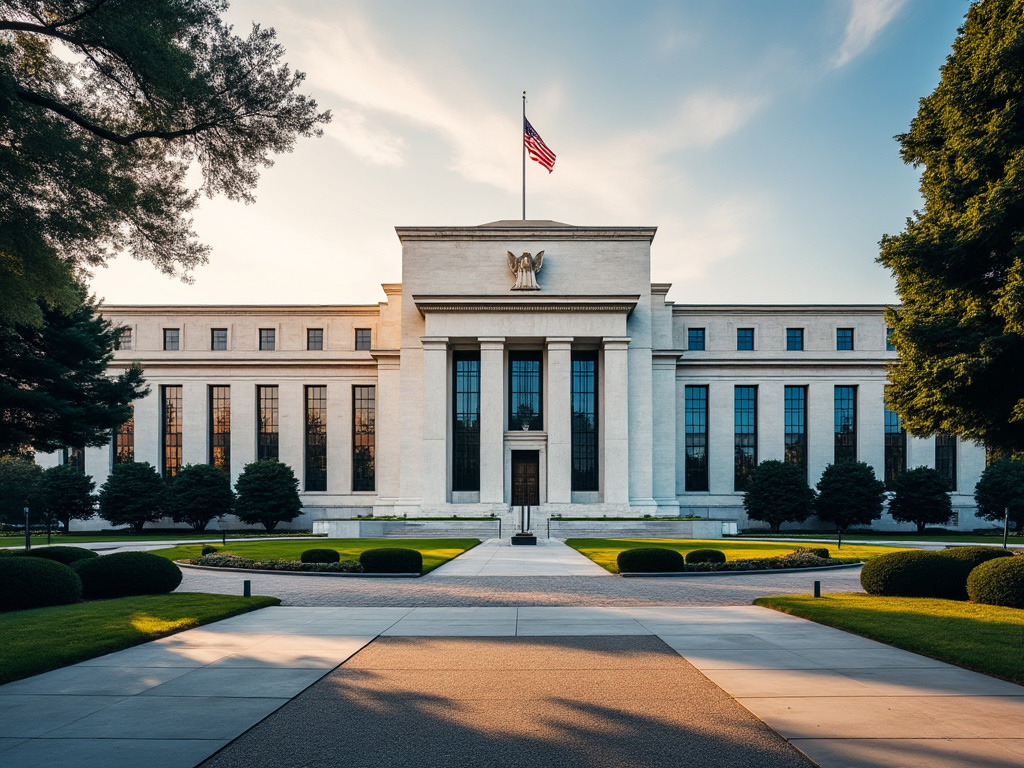
The Federal Reserve’s anticipated quarter-percentage-point interest rate cut next week gains further momentum from September’s Consumer Price Index data, which revealed inflation easing to 3% overall – a tenth of a percent below expectations and up marginally from August’s 2.9%. This cooling trend extends to the core CPI, the Fed’s favored gauge excluding food and energy fluctuations, which held steady at 3% after dipping from 3.1% the previous month. Monthly core inflation advanced by 0.2%, a moderation from the 0.3% gains in the prior two months, signaling a gradual deceleration in underlying price pressures.
Rent increases, a persistent driver of shelter costs within the CPI basket, registered their smallest monthly rise since March 2021, underscoring subdued housing inflation amid broader economic softening. The report’s release, postponed from October 15 due to the government shutdown, complied with legal mandates for informing Social Security cost-of-living adjustments ahead of November 1, yet it arrived without accompanying indicators like the September jobs report, retail sales, or Producer Price Index – data that could refine the Fed’s calculus.
At 3%, headline inflation lingers a full percentage point above the central bank’s 2% objective, with officials projecting a year-end figure of 3.1% before easing to 2.6% in the coming year. This trajectory, while progress toward stability, sustains elevated levels relative to target, prompting a policy pivot. The Fed’s dual mandate – stable prices and maximum employment – now tilts toward the latter, as labor market vulnerabilities eclipse inflationary risks. Private-sector payrolls contracted by 32,000 jobs in September per ADP’s tally, and the Beige Book’s regional anecdotes depict a softening employment landscape nationwide.
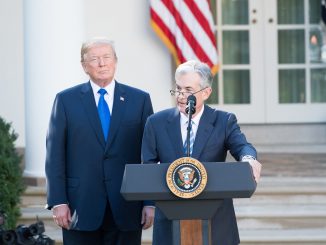
Fed Chair Jerome Powell’s recent remarks highlighted elevated downside risks to employment, reshaping the balance of policy considerations despite the data blackout from the shutdown. This shift implies a rate reduction at the upcoming meeting, though Powell underscored a data-dependent, meeting-by-meeting approach. Morgan Stanley Wealth Management’s chief economic strategist, Ellen Zentner, views the CPI as validation of private indicators: no surge in prices or labor collapse, aligning with a risk-management stance that favors incremental easing, potentially extending beyond next week.
Countering this optimism, Patrick Harker, former Philadelphia Fed president and Wharton professor, interprets the benign 3% reading as deceptive amid structural headwinds. Speaking to YF, he cautioned that tariffs are seeping into costs incrementally, constraining retailers and business-to-business entities from indefinite price restraint. In this environment, sustained 3% inflation resists rapid decline, complicating the Fed’s navigation between employment fragility and price discipline.
Historically, such CPI releases have influenced Fed trajectories by anchoring expectations; the 3% core persistence echoes post-pandemic dynamics where supply constraints amplified shelter and services costs, yet today’s labor softening – evident in ADP’s downturn – mirrors pre-recession signals from 2007, when payroll weakness preceded broader contraction. Policymakers, drawing on these precedents, prioritize averting unemployment spikes, even as inflation’s stickiness demands vigilance. The absence of the jobs report heightens uncertainty, but the collective evidence positions the Fed for measured cuts to buttress growth without reigniting price pressures.
WallStreetPit does not provide investment advice. All rights reserved.
- Bulenox: Get 45% to 91% OFF ... Use Discount Code: UNO
- Risk Our Money Not Yours | Get 50% to 90% OFF ... Use Discount Code: MMBVBKSM
Disclaimer: This page contains affiliate links. If you choose to make a purchase after clicking a link, we may receive a commission at no additional cost to you. Thank you for your support!

Leave a Reply