
- Kevin Hassett, a leading candidate to succeed Jerome Powell as Federal Reserve chair, stated there is still “plenty of room” to cut interest rates further, provided inflation remains contained.
- He explicitly warned that a rise in inflation from 2.5% to 4% would rule out rate cuts, emphasizing data-dependent decisions over political pressure.
- Hassett views the current economic environment as a transformative period similar to the 1990s, offering potential for sustained low rates amid rapid technological and structural change.
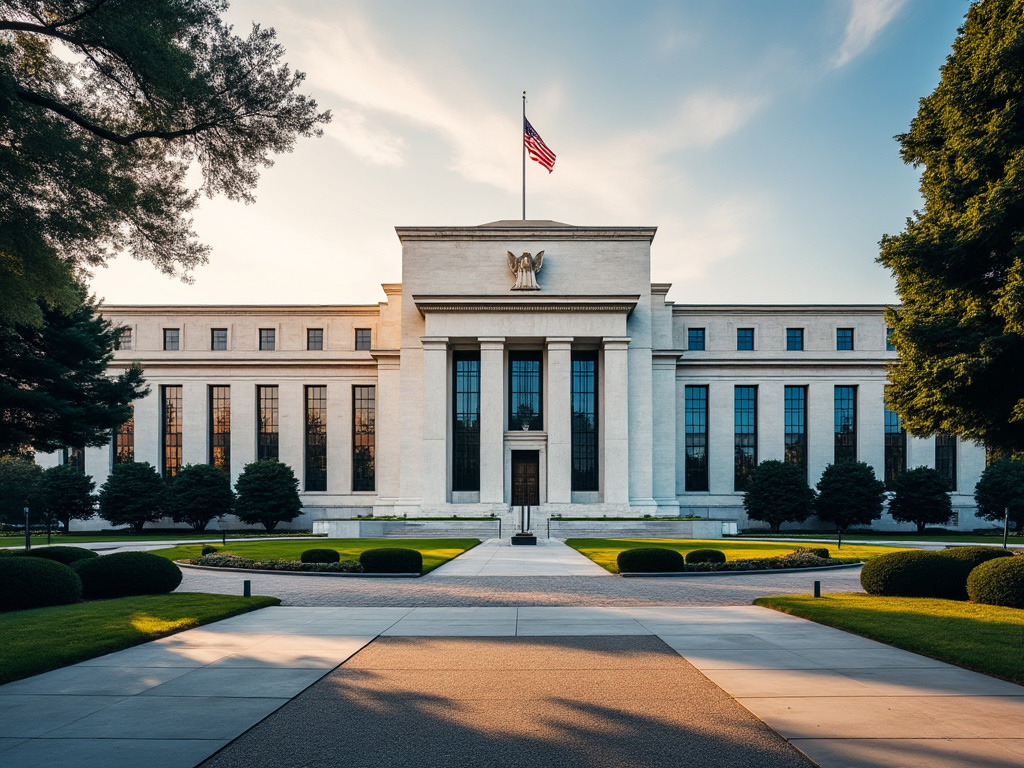
In the intricate dance of monetary policy, where economic stability hinges on the delicate balance between growth and price control, the Federal Reserve’s next leadership transition looms large. Kevin Hassett, the White House National Economic Council director and a presumed frontrunner to succeed Jerome Powell as Fed chair, has articulated a pragmatic vision for interest rates amid persistent inflationary pressures. Speaking at the Wall Street Journal CEO Council, Hassett emphasized that there remains “plenty of room” to lower rates further, signaling an openness to accommodative measures that could bolster economic expansion in a period of rapid technological and structural shifts.
This stance reflects Hassett’s broader perspective on the current economic landscape, which he likens to the transformative dynamics of the 1990s – a decade marked by productivity surges from information technology and globalization that reshaped fiscal and monetary paradigms. Today, analogous forces such as artificial intelligence, supply chain reconfigurations, and energy transitions are accelerating change, potentially allowing for sustained low rates without immediate inflationary backlash. Hassett’s comments underscore a key tenet of modern central banking: flexibility in response to evolving data. With inflation currently hovering above the Fed’s 2% target but showing signs of moderation through targeted fiscal interventions, further cuts could stimulate investment in high-growth sectors like semiconductors and renewable infrastructure, fostering job creation and consumer spending.
Yet, Hassett’s framework is not without boundaries. He explicitly cautioned that a rise in inflation from 2.5% to 4% would necessitate a recalibration, precluding rate reductions and possibly prompting tightening to safeguard purchasing power. This threshold-based approach aligns with established Fed doctrine, drawing from historical precedents where premature easing exacerbated price spirals. In the 1970s, unchecked inflation eroded real wages and prompted aggressive hikes under Paul Volcker; Hassett’s remarks suggest a preemptive vigilance to avoid such pitfalls. His position also addresses potential tensions with executive preferences, as he affirmed that professional judgment would prevail even against external pressures for cuts deemed unwise. This nod to independence is crucial, given the Fed’s statutory autonomy, which has been a cornerstone of U.S. economic credibility since the 1913 Federal Reserve Act.
Hassett’s potential ascension to the chairmanship, anticipated by mid-2026 when Powell’s term concludes, carries profound implications for global markets. As a former Council of Economic Advisers chair under the first Trump administration, Hassett brings a track record of advocating tax reforms that spurred corporate repatriation and wage growth, evidenced by the 2017 Tax Cuts and Jobs Act’s impact on GDP acceleration. His nomination could signal a dovish tilt, easing borrowing costs for households and businesses while pressuring the dollar’s value – potentially benefiting exporters but challenging import-dependent industries. Investors, already pricing in this scenario through elevated Treasury yields, must weigh the risks: premature easing might reignite inflationary expectations, while measured cuts could sustain the soft landing achieved post-2022 disruptions.
Central to Hassett’s philosophy is data-driven decision-making, tempered by an appreciation for structural undercurrents. The Fed’s dual mandate – maximum employment and stable prices – demands agility, particularly as labor markets tighten and geopolitical uncertainties persist. By framing the present as a “potentially extremely transformative time,” Hassett invites a forward-looking policy that prioritizes innovation over short-term volatility. If confirmed, his tenure could redefine the Fed’s role in an era of asymmetric shocks, ensuring that rate decisions not only respond to today’s metrics but anticipate tomorrow’s realities. In this vein, the path ahead favors incrementalism: ample scope for relief if inflation cooperates, but resolute restraint if it surges, preserving the institution’s mandate for enduring prosperity.
WallStreetPit does not provide investment advice. All rights reserved.
- Bulenox: Get 45% to 91% OFF ... Use Discount Code: UNO
- Risk Our Money Not Yours | Get 50% to 90% OFF ... Use Discount Code: MMBVBKSM
Disclaimer: This page contains affiliate links. If you choose to make a purchase after clicking a link, we may receive a commission at no additional cost to you. Thank you for your support!


Leave a Reply