
- Federal Reserve Chair Jerome Powell is widely expected to secure a third consecutive quarter-point rate cut next week, despite vocal hawkish opposition from five voting members and stubbornly elevated inflation readings.
- Market pricing shifted decisively to nearly 90% odds of a December cut after New York Fed President John Williams signaled support on November 21. Economists, however, expect a pause afterward, with additional cuts projected for March and September 2026.
- Looming leadership uncertainty intensifies the drama, as President Trump is set to replace Powell with Kevin Hassett as early as February, raising investor fears of politically driven rate cuts and a potential loss of Fed independence.
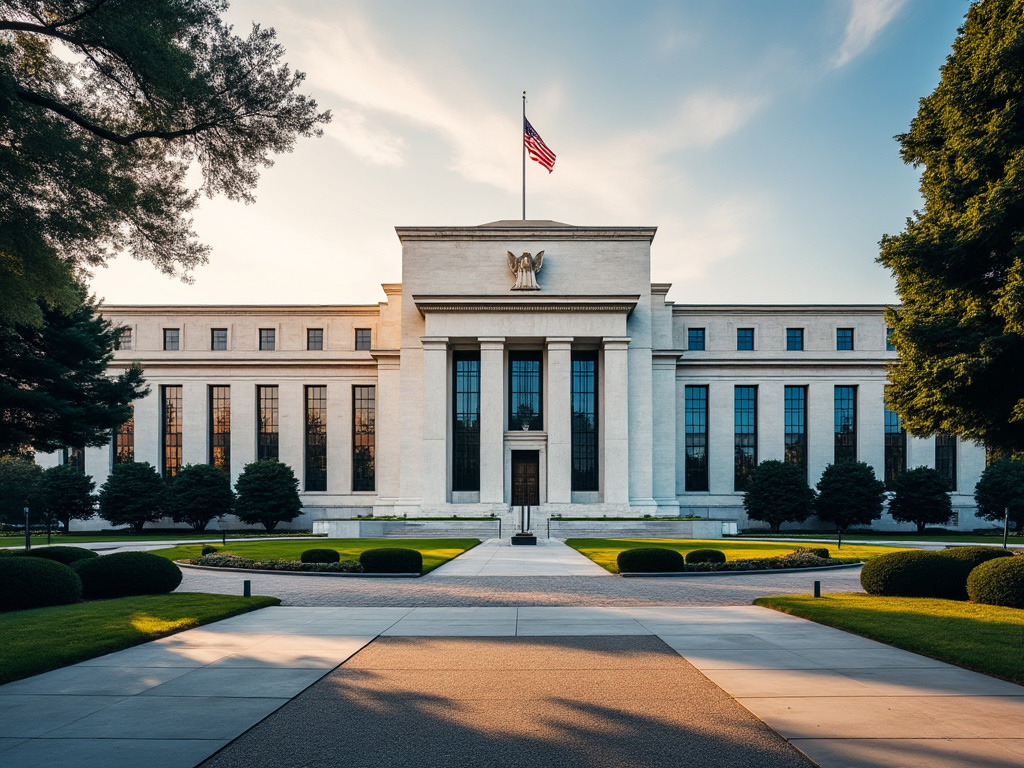
Federal Reserve Chair Jerome Powell faces a pivotal moment as the central bank contemplates its next policy adjustment amid persistent inflationary pressures and a divided committee. The institution’s dual mandate to foster maximum employment while targeting 2 percent inflation has come under strain, with recent labor market softening prompting a second consecutive quarter-point reduction in October. This move addressed a sharp downturn in employment indicators over the summer, yet it ignited dissent from five voting members who expressed reservations about further easing. Their hawkish stance underscores a broader tension: inflation, as captured in the September report released on December 5, lingers above target levels, complicating the path forward.
Policymakers’ deliberations have been hampered by an extended government shutdown through much of October and November, depriving the Federal Open Market Committee of critical updates on economic conditions. The absence of fresh data has amplified divisions, leaving officials reliant on outdated metrics that fail to fully illuminate current dynamics. Mid-November brought a brief surge in market skepticism, with investors pricing in diminished odds of a December cut. That uncertainty dissipated following remarks from New York Fed President John Williams on November 21, whose alignment with Powell’s views signaled openness to near-term action. Markets responded decisively, now reflecting an almost 90 percent probability of a quarter-point decrease next week.
Economists anticipate a pause after this potential move, followed by additional quarter-point reductions in March and September of 2026. The impending release of backlog data from statistical agencies could clarify the interplay between employment risks and price stability, potentially easing internal frictions. Yet, the Federal Reserve’s challenges extend beyond immediate decisions. Powell’s term as chair concludes in May, and President Donald Trump is poised to nominate a successor imminently. Kevin Hassett, a senior economic adviser and Trump loyalist, has emerged as the leading candidate. This prospect has stirred investor concerns over the independence of monetary policy, with fears that a new chair might align more closely with executive directives, potentially accelerating cuts and reigniting inflationary forces.
Bloomberg Economics highlights the fragility of Powell’s position: even a hawkish tone in his upcoming news conference may carry limited weight, given the frontrunner’s potential February onboarding, which could diminish his influence in the final months. Such a transition risks transforming the Federal Reserve into a more politically attuned body, echoing historical episodes where leadership changes altered policy trajectories. The central bank’s credibility hinges on navigating this period without eroding public trust in its data-driven approach.
In a contrasting posture, the Bank of Canada maintains its overnight rate at 2.25 percent, a level officials deem appropriate pending validation from economic projections. Third-quarter GDP expansion exceeded forecasts, propelled by reduced imports and elevated military expenditures, though household spending contracted. Inflation hovers near the 2 percent objective at 2.2 percent, with core gauges still somewhat firm. This measured stance reflects Canada’s economic resilience, bolstered by commodity exports and a stable banking sector, allowing the central bank to prioritize vigilance over reactive easing. As cross-border influences like U.S. policy shifts loom, the Bank of Canada’s steady course offers a counterpoint to the Federal Reserve’s turbulence, underscoring varied paths in global monetary normalization.
WallStreetPit does not provide investment advice. All rights reserved.
- Bulenox: Get 45% to 91% OFF ... Use Discount Code: UNO
- Risk Our Money Not Yours | Get 50% to 90% OFF ... Use Discount Code: MMBVBKSM
Disclaimer: This page contains affiliate links. If you choose to make a purchase after clicking a link, we may receive a commission at no additional cost to you. Thank you for your support!


Leave a Reply